25 October 2026
How Swiss Universities Actually Check for Plagiarism
Shortly before submission, almost everyone asks the same thing: will my thesis be checked, and what happens if the software finds something? Usually there is no guilt behind it, just uncertainty, because nobody explains the procedure.
Here it is, in order: who checks, with what, whether bachelor's theses are included, what the percentage means, and what a match sets in motion. Every claim links to the university's own guidance, so you can check the current version yourself.
Yes, checks happen, but not with the same tool
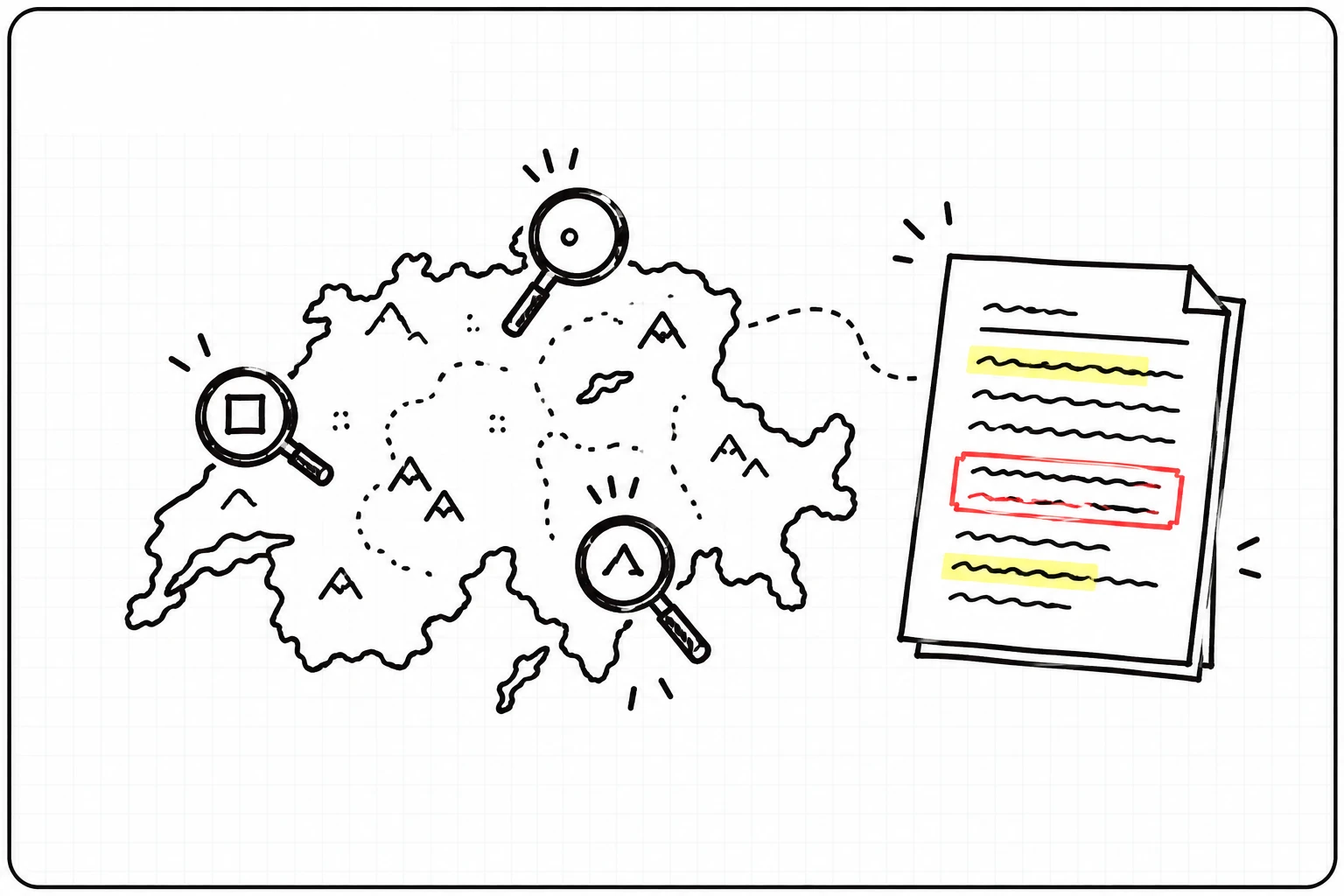
There is no national practice. Each institution decides, and at larger universities each faculty does. Five examples across all three language regions:
- ETH Zurich: Turnitin Similarity, licensed for term papers and bachelor's and master's theses. Supervisors run it; students cannot.
- University of Zurich: Similarity by Turnitin for all teaching staff; faculties decide how widely to use it. Master's theses and dissertations going into the ZORA repository must be checked. Since 19 November 2025, students can run it themselves through a self-service course.
- EPFL: iThenticate, not Turnitin. Access is limited to PhD students, researchers and teachers.
- University of Bern: Turnitin, for university employees only, not students.
- University of Geneva: Compilatio, for teaching staff.
Three different tools in one small country, each with its own index. That alone shows how little a single percentage can mean.
What it means for you: "will my thesis be checked?" has no general answer. Your institute's study or examination regulations are the only reliable source, and ten minutes of reading replaces a lot of guessing.
Do universities check bachelor's theses?
Often, but this is where practice varies most:
- ETH: yes. The licence covers bachelor's theses.
- UZH: the mandatory check is for master's theses and dissertations; below that, the faculty decides.
- University of Vienna, for comparison: master's and diploma theses are checked, but the rule explicitly does not apply to bachelor's theses.
The safe assumption: any graded written work can be checked, and longer final theses almost certainly will be.
Whether you can see the report depends on where you study
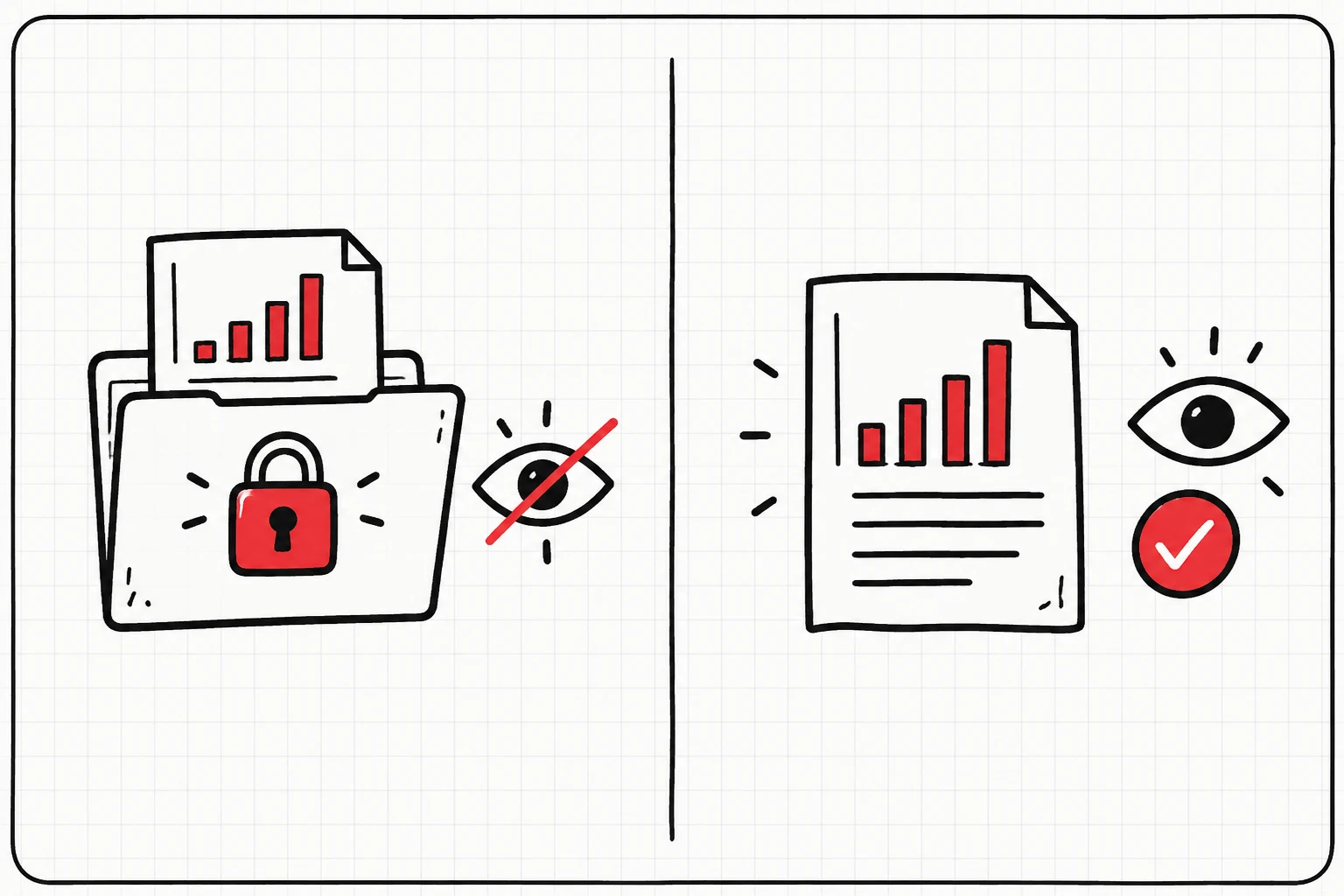
- You cannot see it: at ETH, the software is reserved for professors and lecturers, so your supervisor sees a report about your work that you do not. If something is in it, you find out in a conversation, not in a PDF you can work through calmly. Bern draws the same line, and EPFL opens it to students only at doctoral level.
- You can see it: at UZH, students have been able to run the check themselves since 19 November 2025.
Find out which model applies to you. If you cannot check through your university, run your own check before submitting: not to get around anything, but to see what will be visible anyway. If you can, use it early.
The percentage is an indication, not a verdict
The number measures textual overlap, not plagiarism. Good academic writing overlaps with other texts all the time: quotations, standard method sentences, your bibliography, common phrasing in your field.
The universities say so themselves:
- UZH: the report is merely an indication that must not be used without further checks. The software can miss plagiarism (for example when the source is not online) and can flag properly cited text.
- ETH: the software is not infallible, depends on its database, and can mark properly cited text as plagiarised.
Neither publishes a threshold. If someone tells you a percentage above which things get "critical", they made it up. What matters is what the overlaps are:
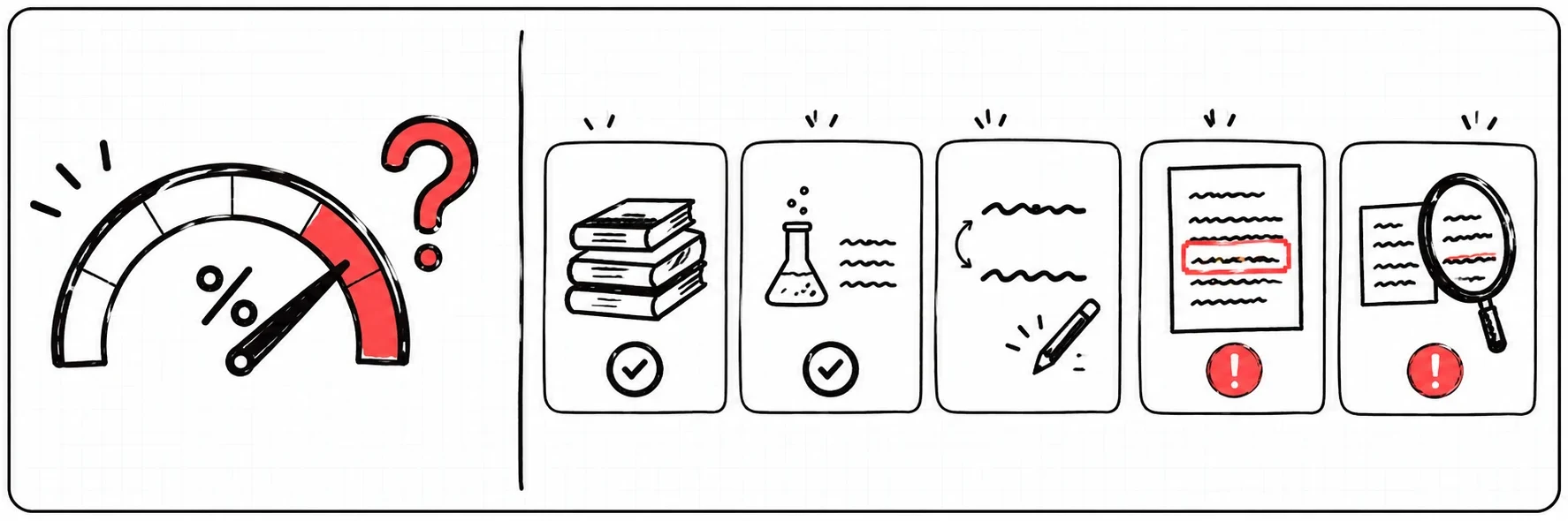
- Bibliography and cited quotations: normal, nothing to do.
- Standard method phrasing: normal.
- Close paraphrase with a citation: rewrite in your own structure, keep the citation.
- Uncited text from a source: the actual problem.
- Your own earlier work, undeclared: self-plagiarism, which may be an offence. Check your institution's rules.
What happens if something really is found
A report does not produce a sanction. It produces an assessment by a person, and you take part in that procedure.
At ETH, the Ordinance on Disciplinary Measures defines the offences, the measures and the procedure, including submitting written work that was not personally authored. The point of an ordinance is defined steps, not discretion.
If it happens to you:
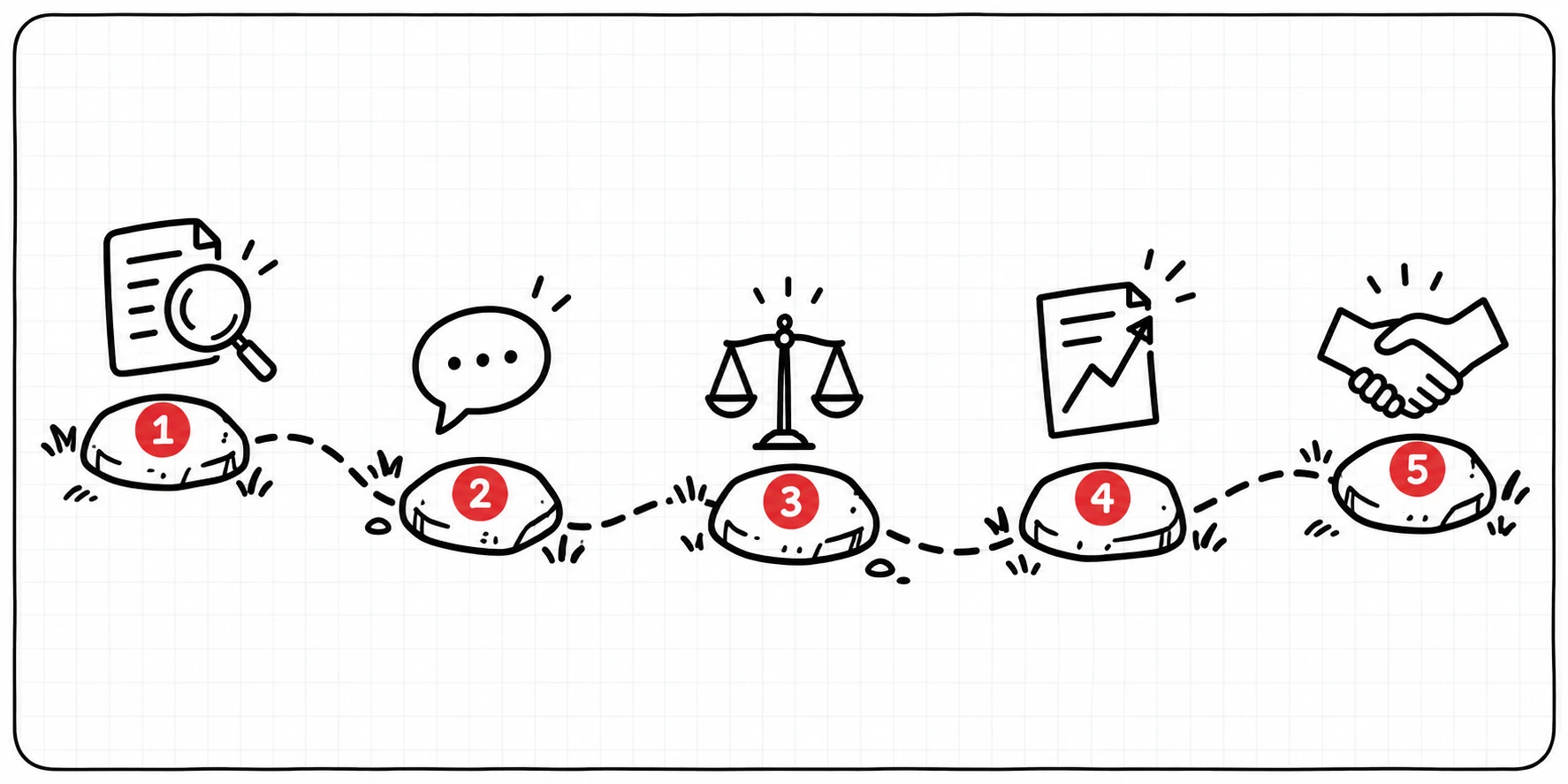
- Ask what exactly is alleged, and in which passages. A specific allegation can be answered; a general impression cannot.
- Use your right to respond before a decision. The first conversation is not the end of the matter.
- Get advice before you reply in writing. Student associations run free legal advice; ETH and UZH students can use the student legal consultation office.
- Know the appeal route. UZH publishes the procedure for objections and appeals, with short, strict deadlines.
- Escalate if the process itself goes wrong. For UZH, the Canton of Zurich ombuds office acts as an independent intermediary.
None of this means it does not matter. The difference between a misunderstanding and an offence is often a quotation mark and a citation, two minutes of work before you submit.
AI use: the real risk is somewhere else
The common worry is "will the software know I used ChatGPT?" The rules that actually bite are elsewhere:
- Undeclared use is the problem, not use itself. ETH states that using AI output as the author is not in itself plagiarism, but treats undeclared use as a form of ghostwriting that can lead to disciplinary proceedings. Declare it in your declaration of originality.
- Hallucinated sources. AI tools can invent references, and ETH requires you to verify every fact, source, link and citation yourself. An invented source surfaces in the defence, badly.
- Hidden close paraphrase. AI tools do not reliably mark copied or closely paraphrased text, so their output can show up as a match without you ever consciously copying anything.
Before you submit
Four plagiarism-specific checks. The full submission checklist covers the rest.
Where PaperCheck fits
We are not a replacement for your university's check. Turnitin, iThenticate and Compilatio index different databases, and your university may also compare your text against its own archive of past student work, which no external tool can reach.
What you get is a check you can run yourself, on your schedule, even where your university gives you none:
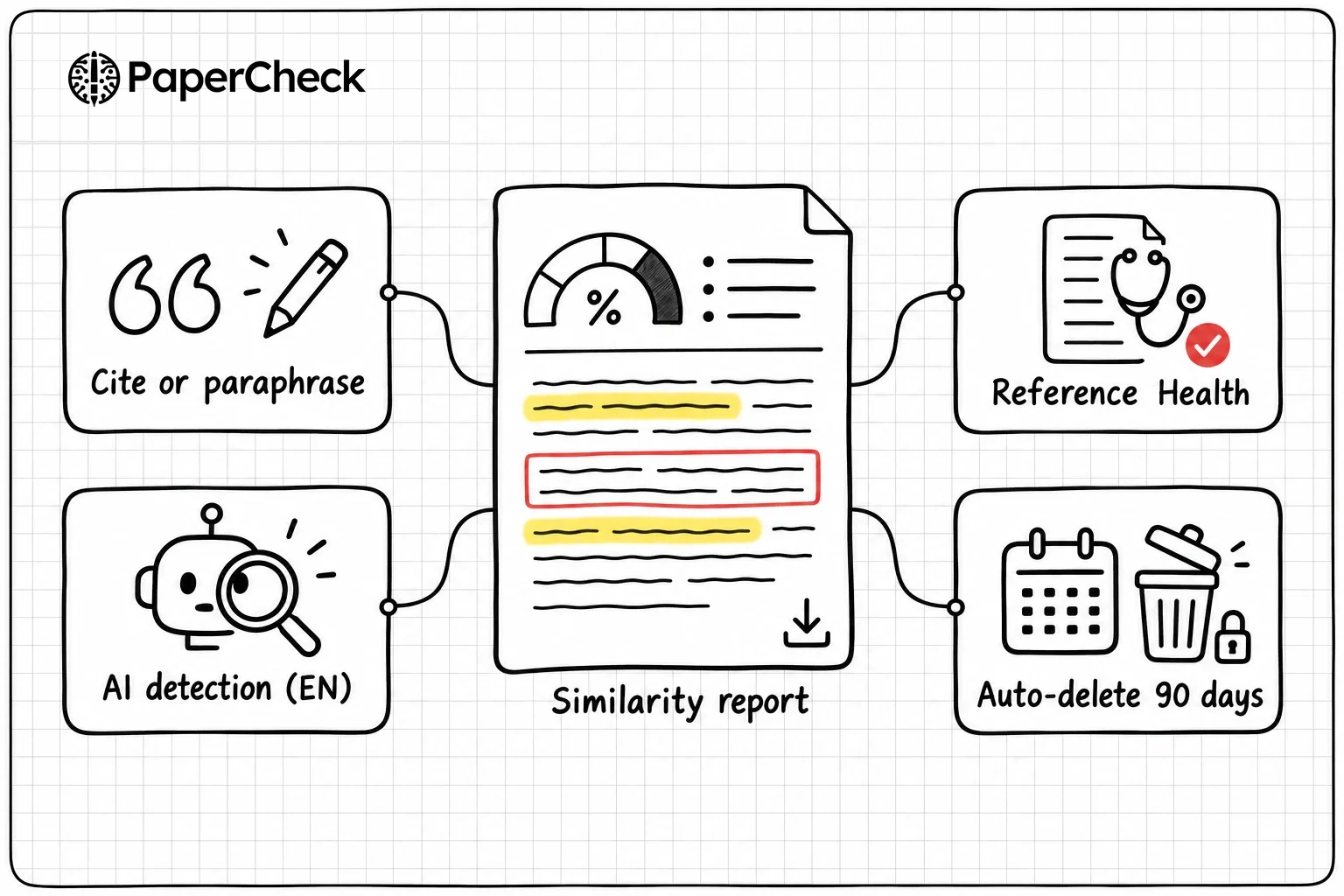
- The report: total similarity, matched sources, identical words and a risk level, with each match shown inline on the page so you can tell a cited quotation from a paraphrase that stayed too close. It downloads as a file.
- Fixes next to the match: a citation generator where a passage needs a citation, paraphrase suggestions where it needs rewording.
- AI text detection: runs in the same check on English papers only for now. A flag is something to read and judge, not a verdict.
- Reference Health: sorts every bibliography entry by what to do next (verified, fix, or check yourself), which is exactly the verification ETH asks of you.
- Privacy: at upload you can choose automatic deletion after 90 days.
Want to see your similarity report before your supervisor does? Upload your thesis to PaperCheck for a plagiarism check, Reference Health, and full feedback on argumentation and structure in one pass.
Last reviewed 14 September 2026 against the institutions' own pages, all linked above. Rules change (UZH opened student access only in November 2025), so check your own institution's current guidance if in doubt.